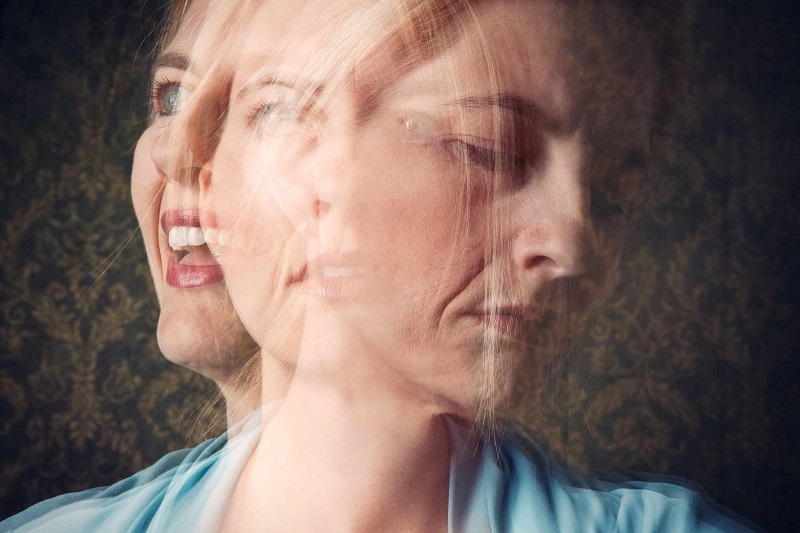


Panic Disorder and Panic Attack Treatment
Panic disorder is an anxiety disorder characterised by recurring, unexpected panic attacks and by living in constant fear of having another one. A panic attack is a sudden episode of intense fear, and most of the time the person cannot tell why it started. You may feel as if you are having a heart attack, about to faint or about to lose control. Although it feels physically very real, it is actually the body’s alarm system going off at the wrong time. Today, panic disorder treatment based on scientific methods achieves very good results, and with the right treatment quality of life can improve considerably.
What Is a Panic Attack?
A panic attack is a state of intense fear and bodily symptoms that rise rapidly within a few minutes. During an attack you may experience palpitations, a feeling of not being able to breathe, sweating, trembling, dizziness, chest tightness, nausea, numbness, hot flushes or chills. These symptoms can create the perception that you are going through a serious physical illness. People having their first panic attack often go to the emergency room because they believe they are having a heart attack, yet the tests usually come back normal. The most distinctive feature of panic attacks is that they peak within a short time and usually ease within 10–30 minutes. After the attack, however, you may feel tired, tense and uneasy for hours.
What Is Panic Disorder?
A panic attack on its own is not an illness. Many people experience at least one panic attack in their lifetime. A diagnosis of panic disorder requires the attacks to recur and the person to start changing their behaviour out of fear of another attack. For example, you may avoid being alone, not want to enter crowded places, be unable to use public transport or want to stay close to a hospital at all times. Over time these avoidance behaviours seriously restrict social life, work and relationships. Panic disorder is therefore not just the attacks themselves; it must be assessed together with the anxiety that persists between attacks.
What Causes Panic Disorder?
Panic disorder has no single cause. It usually arises from the combined effect of biological, psychological and environmental factors. Genetic predisposition plays an important role; the risk is higher in people with a family history of anxiety disorders. Over-sensitive functioning of the brain systems that regulate fear and the stress response can also pave the way for panic disorder. Periods of intense stress, traumatic life events, sudden losses, living under prolonged pressure or an accumulation of suppressed anxiety can trigger panic attacks. In addition, some people are highly sensitive to bodily sensations. They may perceive even a normal physical change, such as a faster heartbeat, as a danger signal. This misinterpretation starts the panic cycle: you notice the palpitations, think “I’m having a heart attack”, the fear increases, the palpitations speed up as the fear grows, and an attack follows.
What Are the Symptoms of a Panic Attack?
Panic attack symptoms appear on both a physical and a psychological level. The most common include palpitations, a feeling of shortness of breath, a sense of choking, dizziness, feeling faint, chest pain, nausea, sweating, trembling, hot flushes, numbness, a feeling of detachment from reality, fear of losing control and fear of dying. Not everyone has all of these symptoms, but several usually occur together. Because the symptoms are so intense, people often find it hard to believe that the cause is psychological. As a result, people with panic disorder frequently visit cardiology, neurology or emergency departments. Normal results from medical tests are an important clue for a diagnosis of panic disorder.
How Does Panic Disorder Affect Daily Life?
Untreated panic disorder gradually narrows your living space. You begin to avoid places where an attack might happen. First you stay away from crowded places, then you can no longer use public transport, then you cannot go out alone, and eventually even leaving home may become difficult. This can lead to social isolation, lower performance at work, academic problems and strained relationships. Living constantly on alert is mentally exhausting and, over time, increases the risk of developing depression. When panic disorder is addressed early, treatment is shorter and the decline in quality of life is prevented.
How Is Panic Disorder Treated?
Panic disorder treatment is planned individually, and the most effective approach is psychotherapy combined, when needed, with medication. In psychotherapy we look in detail at how you interpret the panic attack, how the fear cycle forms and how avoidance behaviours are maintained. Cognitive behavioural therapy is one of the most widely used and scientifically proven methods in treating panic disorder. In this approach you notice your tendency to catastrophise bodily symptoms and learn to change these thought patterns. Controlled exercises also help you get used to bodily sensations, so that the symptoms stop being frightening.
When the psychiatrist considers it necessary, medication can also be planned. Antidepressants and anxiety-regulating medications can reduce the frequency of panic attacks and help you benefit more from therapy. Medication is not necessary for every patient; the decision is made after a clinical assessment. The aim of treatment is not only to stop the attacks but to free you from the fear of panic.
What Should You Do During a Panic Attack?
The most important thing to know during a panic attack is that it is not dangerous. However intense it feels, it causes no lasting harm. Focusing on slow, deep breathing, staying where you are and observing the bodily symptoms helps the attack pass more quickly. Running away from the attack or rushing to a safe place may seem to bring relief in the short term, but in the long run it strengthens the panic cycle. Reducing avoidance behaviours is therefore an important goal of treatment.
When Should You Seek Professional Help?
If panic attacks keep recurring, if you live in constant fear of another attack, if your daily life has started to be affected or if you have developed avoidance of social settings, a specialist assessment is essential. Frequent visits to the emergency room because you believe the symptoms come from a physical illness also point to a need for professional support. Early intervention makes treatment easier and prevents panic disorder from becoming chronic.
What Happens If Panic Disorder Is Not Treated?
Untreated panic disorder can lead over time to more frequent attacks, intense avoidance and a steadily shrinking living space. You may become unable to be alone, travel or work. A constant state of anxiety causes mental exhaustion and increases the risk of depression. Some people turn to alcohol or substances to find relief. That is why the symptoms of panic disorder should not be ignored, even when they are mild.
Is Recovery Possible with Panic Disorder Treatment?
Yes. Panic disorder is a condition that improves to a large extent with the right treatment. With scientific therapy methods, medication when needed and regular follow-up, you learn to control your panic attacks. Over time the attacks become less frequent, the fear cycle is broken and you can return to the areas of life you had been avoiding. One of the most important factors in successful treatment is continuing therapy regularly and applying the techniques you learn in daily life. Many patients, even if they still occasionally notice symptoms after treatment, can live freely because they are no longer afraid of them.
Conclusion
Although panic disorder and panic attacks can make you feel helpless because of the intense fear, they are treatable psychiatric conditions. This is not a weakness of will or a personality problem; it is related to the brain’s alarm system misfiring. With an accurate diagnosis, scientific treatment and specialist follow-up, panic disorder can be brought under control. Seeking support early both shortens recovery and markedly improves quality of life. Knowing that you are not alone and that this condition is not hopeless is the first and most important step of treatment.
Panic Disorder and Panic Attacks: Frequently Asked Questions
1. Is there a risk of a heart attack or dying during a panic attack? No. The severe palpitations, chest tightness and shortness of breath felt during a panic attack are the body’s “fight or flight” response. These symptoms do not physically damage the heart or lead to death. Panic disorder is not a bodily danger; it is the brain sounding a false alarm.
2. What is the difference between a panic attack and panic disorder? A panic attack is a sudden period of intense fear and bodily symptoms; anyone can have a panic attack once in their life. Panic disorder is when these attacks recur and the fear of “I’ll have another attack” (anticipatory anxiety) starts to restrict your daily life, the places you go and your behaviour.
3. What should I do in the moment a panic attack starts? Remind yourself that it is temporary. Instead of holding your breath, take slow, deep diaphragmatic breaths to send your body the signal “I am safe”. Stay where you are rather than leaving, because escaping teaches the brain to code that place as “dangerous” and reinforces the condition.
4. Is medication essential in treating panic disorder? The treatment plan is individual. In some cases pharmacotherapy (medication) may be needed to bring the severity and frequency of attacks under control quickly. However, the most lasting results are achieved when cognitive behavioural therapy (CBT), which changes the way you view the attacks, is combined with medication.
5. Does panic disorder go away completely, or does it come back? Panic disorder is one of the conditions with the highest success rates in psychiatry. With the right treatment, attacks can stop completely. Early intervention and the coping skills learned in therapy are the best protection against relapses in the future.
Panic Attack and Panic Disorder Screening Test
By scoring this test you can see how severe your situation is:
Please think about the past month and give each question the score that fits you best: (0: Not at all, 1: Mild, 2: Moderate, 3: Severe, 4: Very severe)
- Unexpected attacks: Have you had sudden palpitations, shortness of breath or fear of dying for no apparent reason? (Score: __)
- Anticipatory anxiety: Are you constantly worried about “what if I have another attack”? (Score: __)
- Catastrophising: Do you interpret a normal heartbeat change in your body as “Oh no, I’m having a heart attack”? (Score: __)
- Avoidance: Do you avoid crowded places, lifts or being alone for fear of having an attack? (Score: __)
- Loss of functioning: Do these fears make it hard for you to go to work or take part in social life? (Score: __)
Scoring and Interpretation
- 0–5 points: Minimal anxiety. The symptoms appear to be under control.
- 6–12 points: Mild to moderate. Panic attacks may have started to restrict your life.
- 13–20 points: Severe. A specialist assessment for panic disorder and professional support (therapy/medication) will quickly improve your quality of life.
Frequently Asked Questions (About the Panic Attack and Panic Disorder Test)
1. My score is high – am I going to have a heart attack? No. This test measures your “anxiety level”, not a physical illness. A high score shows that your “anxiety system”, not your heart, has become over-sensitive.
2. Why did I give 4 points on the “avoidance” question? If going out has turned into a phobia (agoraphobia) for you, it is normal to score high on this question. Our priority in treatment is to give these areas of life back to you.
3. My heart races even while taking the test – is that normal? Yes. People with panic disorder may feel mild arousal when they focus on their symptoms (as when taking a test). This is a sign of “sensitivity” that confirms the accuracy of the test.
4. What exactly is “catastrophising” in this test? It is the brain mistakenly labelling a harmless bodily sensation (such as dizziness or numbness) as a “life-threatening danger”.
5. How can I lower my score? With the right course of pharmacotherapy and cognitive behavioural therapy (CBT), the brain’s false alarm mechanism is retrained and, over time, these scores fall into the 0–5 range.
This page is for information only and does not replace a personal assessment, diagnosis or treatment. If your symptoms affect your daily life, please consult a psychiatrist.